
Search
found 6322 results
Images for CANTERBURY EARTHQUAKE; more images...
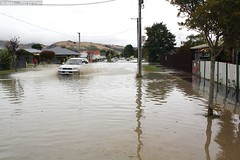

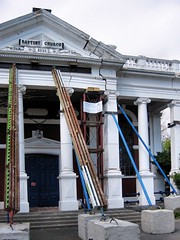
Photograph number UC 10-0684-19
Images, UC QuakeStudies
Octagon Live Restaurant cordoned off after the earthquake.
Photograph number UC 10-0495-26
Images, UC QuakeStudies
NZi3 building reopens after the September earthquakes.
Photograph number UC 10-0526-37
Images, UC QuakeStudies
Octagon Live Restaurant cordoned off after the earthquake.
Photograph number UC 10-0495-29
Images, UC QuakeStudies
NZi3 building reopens after the September earthquakes.
Photograph number UC 10-0495-28
Images, UC QuakeStudies
NZi3 building reopens after the September earthquakes.
Photograph number UC 10-0495-30
Images, UC QuakeStudies
NZi3 building reopens after the September earthquakes.
Photograph number UC 10-0495-24
Images, UC QuakeStudies
College of Engineering buildings reopen after the earthquakes.
Photograph number UC 10-0495-25
Images, UC QuakeStudies
NZi3 building reopens after the September earthquakes.
Photograph number UC 10-0495-27
Images, UC QuakeStudies
NZi3 building reopens after the September earthquakes.
Photograph number UC 10-0495-31
Images, UC QuakeStudies
NZi3 building reopens after the September earthquakes.
Examining the spatial and temporal patterns of crime in pre- and post-eart…
Research papers, University of Canterbury Library
The 2010-2011 Canterbury Earthquakes brought devastation to the city of Christchurch and has irrevocably affected the lives of the city’s residents. Years after the conclusion of these earthquakes, Christchurch and its residents are well on the path to recovery. Crime has proven an ongoing topic of discussion throughout this period, with news reports of increased burglary and arson in areas left largely abandoned by earthquake damage, and a rise in violent crime in suburban areas of Christchurch. Following the body of research that has considered the reaction of crime to natural disasters, this research has sought to comprehensively examine and understand the effects that the Canterbury Earthquakes had on crime. Examining Christchurch-wide offending, crime rates fell over the study period (July 2008 to June 2013), with the exception of domestic violence. Aside from a momentary increase in burglary in the days immediately following the Christchurch Earthquake, crime rates (as of 2013) have remained largely below pre-earthquake levels. Using Dual Kernel Density Estimation Analysis, a distinct spatial change in pre-earthquake crime hotspots was observed. These changes included an enormous decrease in central city offences, a rise in burglary in the eastern suburbs, and an increase in assault in areas outside of the central city. Logistic regression analysis, using a time-compensated dependent variable, identified a number of statistically-significant relationships between per CAU crime rate change and factors measuring socio-demographic characteristics, community cohesion, and the severity of disaster effects. The significance of these findings was discussed using elements of Social Disorganisation Theory, Routine Activity Theory, and Strain Theory. Consistent with past findings, social order was largely maintained following the Canterbury Earthquakes, with suggestion that increased collective efficacy and therapeutic communities had a negative influence on crime in the post-earthquake period. Areas of increased burglary and assault were associated with large population decreases, suggesting a link with the dissolution of communities and the removal of their inherent informal guardianship. Though observed, the increase in domestic violence was not associated with most neighbourhood-level variables. Trends in crime after the Canterbury Earthquakes were largely consistent with past research, and the media’s portrayal.
Christchurch Earthquake 22/02/11
Images, eqnz.chch.2010
Christchurch Cathedral, Cathedral Square
Christchurch Earthquake 22/02/11
Images, eqnz.chch.2010
Christchurch Cathedral, Cathedral Square
Food: Asahi Mintia
Images, Canterbury Museum
Plastic wrapped container of Asahi brand Mintia.
Bottle: Coca Cola
Images, Canterbury Museum
600ml plastic bottle of Coca Cola.
Photo of the earthquake damage of a residential property brick fence in Ch…
Images, UC QuakeStudies
Photo of the earthquake damage of a residential property brick fence in Christchurch taken by Marcus Langman, 10 March 2011.
Christchurch Earthquake 22/02/11
Images, eqnz.chch.2010
Christchurch Cathedral, photo taken from the Warners Novotel, Cathedral Square.
Christchurch Press Infographic: 4 February 2012 (3)
Images, UC QuakeStudies
A graph showing the probability of earthquakes in Canterbury.
Heritage versus demolition in Christchurch
Audio, Radio New Zealand
Anna Crighton, Chairperson, Canterbury Earthquake Heritage Building Trust Board.
Hunting Kiwis project
Audio, Radio New Zealand
Helen Leggatt's started photographing Canterbury's earthquake-damaged cemetery headstones.
Media with Denis Welch
Audio, Radio New Zealand
Denis discusses the Canterbury earthquake and the radiographers' strike.
CERA says about 100 CBD buildings still to be demolished
Audio, Radio New Zealand
The Canterbury Earthquake Recovery Authority's chief executive, Roger Sutton.
Christchurch Press Image: John Kirk-Anderson 2010:09:07 13:45:23
Images, UC QuakeStudies
Photograph captioned by Fairfax, "Road damage following Canterbury's earthquake".
Christchurch Press Image: John Kirk-Anderson 2010:09:07 13:42:57
Images, UC QuakeStudies
Photograph captioned by Fairfax, "Road cracked following Canterbury's earthquake".
Christchurch Press Image: John Kirk-Anderson 2010:09:07 13:43:23
Images, UC QuakeStudies
Photograph captioned by Fairfax, "Damaged roads following Canterbury's earthquake".
Christchurch Press Image: John Kirk-Anderson 2010:09:08 13:10:39
Images, UC QuakeStudies
Photograph captioned by Fairfax, "Lyttelton harbour following Canterbury's earthquakes".
Christchurch Press Image: John Kirk-Anderson 2010:09:07 13:41:10
Images, UC QuakeStudies
Photograph captioned by Fairfax, "Damaged road following Canterbury's earthquake".
Christchurch Press Image: John Kirk-Anderson 2010:09:07 14:40:08
Images, UC QuakeStudies
Photograph captioned by Fairfax, "Digging liquefaction following Canterbury's earthquake".
Testing completed but wait continues for Chch residents
Audio, Radio New Zealand
The Earthquake Commission has completed ground tests in Canterbury.
Christchurch City Council : your people, your city.
Other, National Library of New Zealand
A wide range of information about Council business and services, bylaws, public activities. Includes media releases and information about events and facilities in Christchurch. Earthquake related information can be found in the archived instances from September 2010-